Ektaya
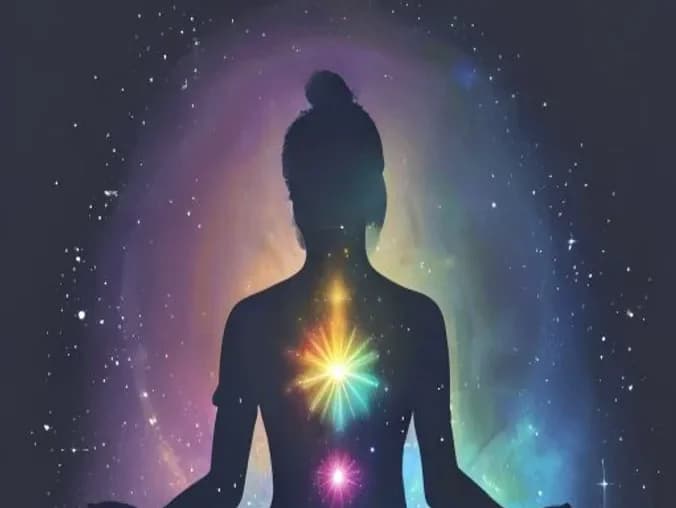
The idea of chakras comes from ancient Indian traditions and describes seven main energy centers along the spine. Each one is traditionally associated with specific aspects of our physical, emotional, and mental lives.
Even if you approach the subject with a scientific mindset, some people point out that the traditional positions of the chakras line up with areas of the body rich in nerves and glands. That's an analogy often cited in the tradition, not a demonstration: medicine does not recognize chakras. Think of them as a framework for reflection, not as anatomy.
Here's a practical guide to the 7 chakras: what each one represents, signs of imbalance, and ways to work on bringing them back into balance.
The 7 chakras and what they represent
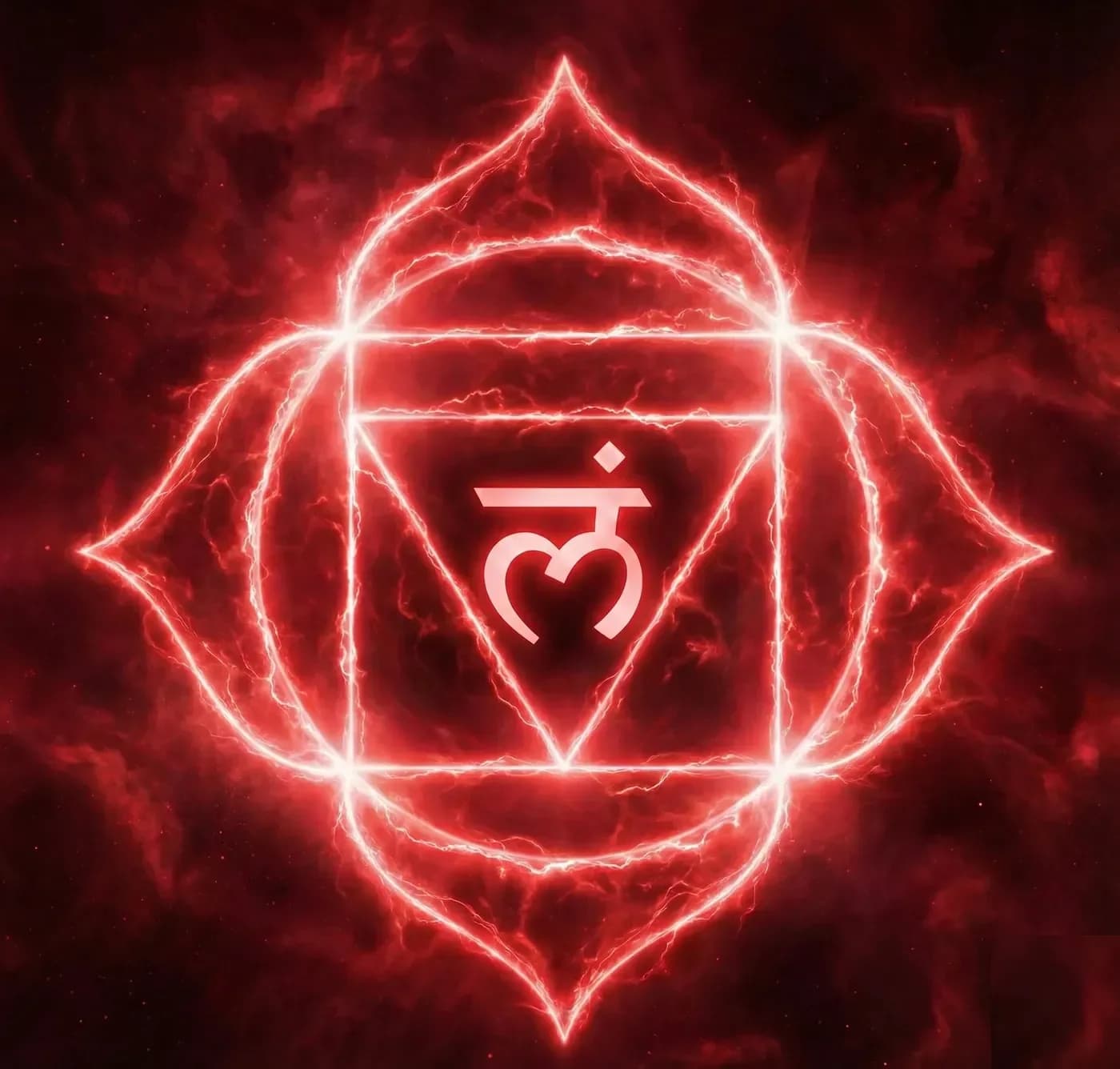
1st chakra: Muladhara (Root)
This is your foundation. When it feels solid, you feel at home, safe, and able to cope. When it wobbles, everything else feels unstable, even if you can't say why.
- Location: base of the spine
- Color: red
- Traditionally associated with: security, survival, grounding, basic needs
- When it's balanced: you feel steady and settled, able to handle daily life without feeling overwhelmed
- When it's out of balance:
- a constant sense of insecurity, irrational fears
- money worries or an obsession with money
- feeling unsteady or “not in your body”
- To bring it back into balance: reconnect with the earth (walk barefoot, garden), bring routine and stability back into your days, and practice physical grounding.
Related reading: Root Chakra Blocked? Signs and Grounding
2nd chakra: Svadhisthana (Sacral)
This is the seat of your emotions and your creative drive. When it flows well, life feels rich: you feel, you create, you let pleasure move through you without guilt.
- Location: lower belly, about two finger-widths below the navel
- Color: orange
- Traditionally associated with: emotions, creativity, sexuality, pleasure, flow
- When it's balanced: you welcome your emotions without fear, your creativity flows, and you feel at ease in your intimate relationships
- When it's out of balance:
- emotional blocks, difficulty feeling or expressing what you're going through
- tension in intimate relationships
- creativity gone quiet, a feeling of being “dried up”
- To bring it back into balance: give yourself room for creative expression (drawing, dancing, music), welcome your emotions instead of holding them back, and reconnect with water (a bath, the sea, a river).
Related reading: Sacral Chakra Blocked? Signs and Support
3rd chakra: Manipura (Solar Plexus)
This is your inner fire, the center of your confidence and willpower. When it's strong, you know who you are, you set boundaries, and you move forward. When it weakens, you doubt yourself or try to control everything.
- Location: solar plexus, between the navel and the breastbone
- Color: yellow
- Traditionally associated with: self-confidence, willpower, personal power, identity
- When it's balanced: you feel you have a right to take up space, you make decisions and act without constantly justifying yourself
- When it's out of balance:
- low confidence, a tendency to give in or fade into the background
- a need to control everything, or the opposite, a sense of powerlessness
- a knot in your stomach when you're under pressure
- To bring it back into balance: practice saying what you need and setting boundaries, recognize your own worth, and strengthen your core (core exercises, belly breathing).
Related reading: Solar Plexus Chakra: Stress and Confidence
4th chakra: Anahata (Heart)
This is the bridge between body and spirit, the center of love and connection. When it's open, you give and receive with ease. When it closes, you protect yourself, but you also isolate yourself.
- Location: center of the chest
- Color: green
- Traditionally associated with: love, compassion, connection, forgiveness, balance
- When it's balanced: you feel connected to others, able to love without losing yourself and to receive without distrust
- When it's out of balance:
- difficulty receiving love, fear of rejection
- resentment, difficulty forgiving or letting go
- feeling closed off or guarded around people
- To bring it back into balance: cultivate gratitude and kindness in daily life, try small acts of generosity, reconnect with nature, and take forgiveness one step at a time (with others and with yourself).
Related reading: Heart Chakra Blocked? Signs and Opening
Which chakra is holding you back?
In 7 questions and 2 minutes, find the center that weighs most on your daily life, and get first steps for opening it up again.
Take the quiz · 2 min5th chakra: Vishuddha (Throat)
This is the center of your voice and your truth. When it flows well, you say what you mean, clearly and honestly. When it's blocked, words get stuck and unspoken things pile up.
- Location: throat
- Color: light blue
- Traditionally associated with: expression, communication, authenticity, truth
- When it's balanced: you express yourself clearly, you can say yes as well as no, and what you think and what you say line up
- When it's out of balance:
- difficulty speaking up or saying no
- a tendency to bend the truth, with yourself or others
- a “lump in the throat” feeling when you hold back what you want to say
- To bring it back into balance: give yourself space for authentic expression (writing, journaling, singing), and practice honest conversations, even when they're uncomfortable.
Related reading: Throat Chakra Blocked? Signs and Voice
6th chakra: Ajna (Third Eye)
This is the center of intuition and discernment. When it's clear, you see things as they are, trust your gut feeling, and decide without going in circles. When it's cluttered, your mind takes over.
- Location: center of the forehead, between the eyebrows
- Color: indigo
- Traditionally associated with: intuition, insight, discernment, imagination
- When it's balanced: you trust your intuition, you step back and decide with clarity
- When it's out of balance:
- muffled intuition, or the opposite, “head in the clouds”
- mental fog, feeling overstimulated
- trouble deciding, a mind that loops
- To bring it back into balance: settle your mind through meditation and writing, make time alone to think, and cut back on overstimulation (screens, notifications, background noise).
Related reading: Third Eye Chakra Blocked? Mental Fog
7th chakra: Sahasrara (Crown)
This is your link to something bigger than yourself, the meaning you give your life. When it's open, you feel connected, supported, part of something larger. When it closes, everything can feel empty or absurd.
- Location: top of the head
- Color: violet / white
- Traditionally associated with: spiritual connection, meaning in life, unity, wisdom
- When it's balanced: you feel a sense of meaning and belonging, a peace that doesn't depend on circumstances
- When it's out of balance:
- a feeling of emptiness, of lacking meaning
- rigid dogmatism, or the opposite, deep disenchantment
- a vague weariness, a sense of disconnection
- To bring it back into balance: make time for meditation and silence, and reconnect with something bigger than yourself through the spiritual practice that speaks to you (whatever the tradition).
Related reading: Crown Chakra Blocked? Meaning and Connection
How to work with the chakras
Notice before you act
Before trying to “rebalance” anything, it helps to observe. Which chakra seems the most out of balance to you? Don't force a theory onto yourself. Look at your life instead:
- Where do you feel recurring tension?
- What are your most persistent emotional patterns?
- In which area of your life do you feel the least free?
If a physical symptom keeps coming back or doesn't go away, see a doctor first. The chakras are a reflection tool and don't explain physical symptoms.
Daily practice
Chakras aren't balanced in a single session. It's gradual work, which involves:
- Regular practices suited to the chakra you're focusing on
- Emotional work on the patterns underneath
- Energy sessions (such as Reiki) as a support
Reiki and the chakras
A Reiki session focused on the chakras is one of the most direct ways to work with them. As practitioners describe it, they sense the state of each chakra, work through the knots and imbalances, and encourage energy to move through the areas that feel blocked.
If you'd like to build a regular practice at home, the programs you can follow at home offer breathing exercises, guided meditations, and writing exercises, at your own pace.
I offer Reiki sessions with specific work on the chakras, 100% remote. Write to me to learn more.
Keep reading: learn about my energy session, a fully remote session focused on the chakras.