Ektaya
You've just finished a Reiki or energy session. You expected to float away on a cloud of calm. Instead, you're hit with heavy tiredness, sore muscles, or worse: you burst into tears for no apparent reason.
Panic sets in. “Did the practitioner hurt me? Am I getting worse?”
Take a breath. Some people do feel tired or emotional after a session. Some call it a “healing crisis,” a term from energy-work circles, not a medical one. In that tradition, it isn't seen as a setback but as a sign that the session set something in motion.
An intense adjustment phase
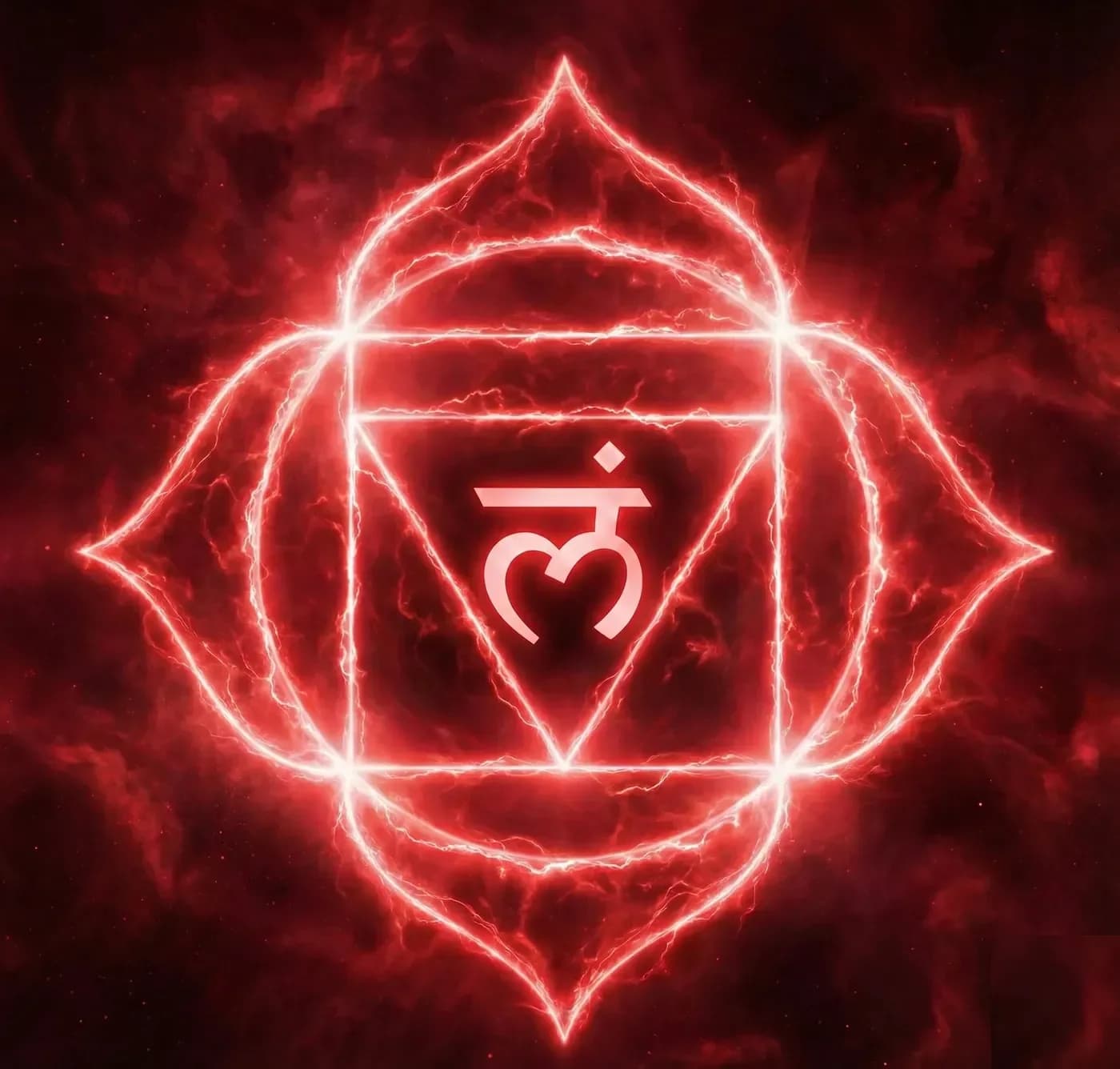
In the energy-work view, stress, hard experiences, and heavy emotions build up over the years while we run in survival mode. To keep going, the body is said to lock that energy into the chakras.
In this same view, a deep session can loosen those locks, and life energy then moves through areas that have been blocked for years.
What happens next? In Reiki, this moment is described as an intense rebalancing. Practitioners interpret it as energy moving more freely through areas that are opening up, which can bring a range of sensations and reactions.
What you might feel
These usually show up within 24 to 48 hours of the session.
Heavy tiredness. In this view, the body spends a lot of energy rebalancing. If you feel like sleeping, listen to your body.
A flood of emotions. Tears, irrational anger, or deep sadness can come to the surface. Don't judge them, and don't try to analyze them. Practitioners describe this as old energy being released. Let it come.
Physical sensations. Headaches, mild nausea, chills, or sore muscles. Practitioners see these as an energy readjustment showing up in the body.
What I see in practice. Most of the time it's limited to tiredness and emotions coming up. On the physical side, what I see most often is digestion feeling off for a day or two. I've seen a period start early now and then, but that's rare. I've never seen a severe reaction in my clients.
How long it lasts
Twenty-four to forty-eight hours. Two days at the very most, and often less.
It's a short window, and that's worth knowing: if something sticks around past that, don't automatically blame the session. Read the section below before drawing any conclusions.
What about the 21 days you hear about everywhere?
If you came across this 21-day idea while searching, you may be looking for something else without realizing it.
The 21 days are the self-treatment cycle students follow between attunement levels when they learn Reiki. It applies to the person training, not to the person receiving a session.
In other words: if you simply had a session, there aren't three weeks ahead of you. You're looking at a window of two days.
When it may not be a reaction to the session
“Healing crisis” is a reading that comes from the energy-work world, not from medicine. It's a way of naming what's observed around sessions, not a diagnosis. Nausea, and sometimes vomiting, can follow a session. It's rare, but it happens, and I won't tell you otherwise.
The catch is that these signs look like other things. A fever, a pain that settles in, shortness of breath, or any symptom that scares you can come from something entirely different, and there's no way to tell the difference from your couch. If something worries you, gets worse, or doesn't improve after 48 to 72 hours, don't assume it's the session: see a doctor or another health professional.
Trusting a session doesn't mean ignoring your body's signals.
How to get through it
The worst thing to do when you feel wiped out or emotional after a session is to fight it, reach for stimulants, or go back to work at full speed.
- Drink plenty of water.
- Accept the temporary discomfort. Let yourself slow down without guilt.
- Really rest. Sleep matters.
Have a question about a session or about how you feel afterward? Write to me and we can talk.
Reiki is a wellbeing practice and doesn't replace medical or psychological care.